Hip pain does not automatically mean that a person needs surgery. Muscle problems, tendon conditions, injuries and several joint disorders can cause discomfort around the hip. However, when significant joint damage causes persistent pain and loss of mobility despite appropriate non-surgical treatment, Total Hip Replacement may be considered after detailed orthopaedic assessment.
For residents of Wakad and nearby areas of Pune and Maharashtra, understanding the circumstances in which replacement is discussed can make it easier to seek care at the right stage.
Why a Damaged Hip Can Affect Everyday Life
The hip is a major weight-bearing joint. Advanced damage can therefore affect considerably more than exercise.
People may begin struggling with:
- Walking longer distances
- Standing for extended periods
- Getting up from a chair
- Climbing stairs
- Putting on footwear
- Entering or leaving a vehicle
- Sleeping comfortably
- Performing routine household activities
Some people gradually reduce their activity to avoid pain and do not immediately recognise how much their mobility has changed.
When Is Hip Replacement Evaluated?
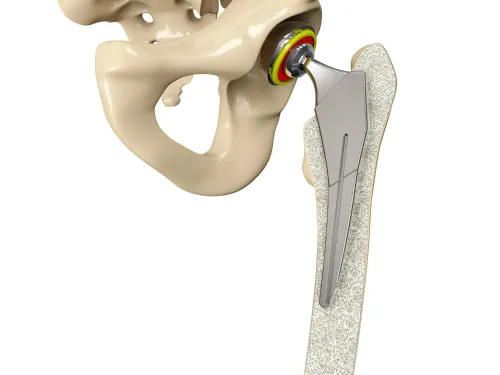
Total hip replacement involves replacing damaged portions of the hip joint with prosthetic components. It may be considered for selected patients with substantial joint damage and symptoms affecting quality of life.
The decision is generally based on several factors rather than one X-ray finding.
An orthopaedic surgeon may evaluate:
- The underlying cause of hip pain
- Severity of joint damage
- Duration and intensity of symptoms
- Range of movement
- Walking ability
- Previous treatments
- General health
- Functional limitations
Imaging such as X-rays may be used alongside clinical examination to understand the condition of the joint.
Non-Surgical Treatment Still Has an Important Role
Depending on the diagnosis and stage of disease, treatment before surgery may include activity modification, medication, physiotherapy, strengthening, walking aids or weight management where appropriate.
These approaches can be useful for many patients. Surgery becomes a discussion when symptoms and structural joint damage reach a point where conservative measures are no longer providing adequate functional relief.
Replacement Is an Individual Decision
Age alone does not determine whether someone should undergo hip replacement. Two patients of similar age may have very different levels of joint damage, health considerations and mobility requirements.
An assessment at Ayush Orthopaedic Clinic can help patients in Wakad understand whether their symptoms originate from the hip joint and what treatment options are relevant to their condition.
People experiencing persistent groin or hip pain, increasing stiffness or substantial difficulty with routine movement should avoid assuming that replacement is either inevitable or unnecessary. A structured evaluation can establish the diagnosis first.
When total hip replacement is being considered, understanding the expected procedure, rehabilitation requirements and individual health factors allows patients and families to make a more informed treatment decision.
Keywords