An orthopaedic injury following a road accident, fall or workplace incident can range from a relatively minor soft-tissue injury to a fracture, dislocation or complex injury involving several structures. The difficulty is that the seriousness of an injury is not always obvious immediately. Appropriate Trauma Care focuses first on identifying the extent of damage and then determining the safest treatment pathway.
In Pimple Gurav and across the busy Pimpri Chinchwad region of Maharashtra, road traffic incidents, falls and occupational injuries are common reasons people require musculoskeletal evaluation.
Do Not Judge an Injury Only by Pain
Pain tolerance varies considerably between individuals. Being able to move an injured arm or leg also does not always exclude a fracture.
Signs that warrant prompt medical assessment can include:
- Visible deformity
- Significant swelling
- Inability to bear weight
- Severe tenderness
- Restricted movement
- Open wounds around the injured area
- Numbness or altered sensation
- Increasing pain after trauma
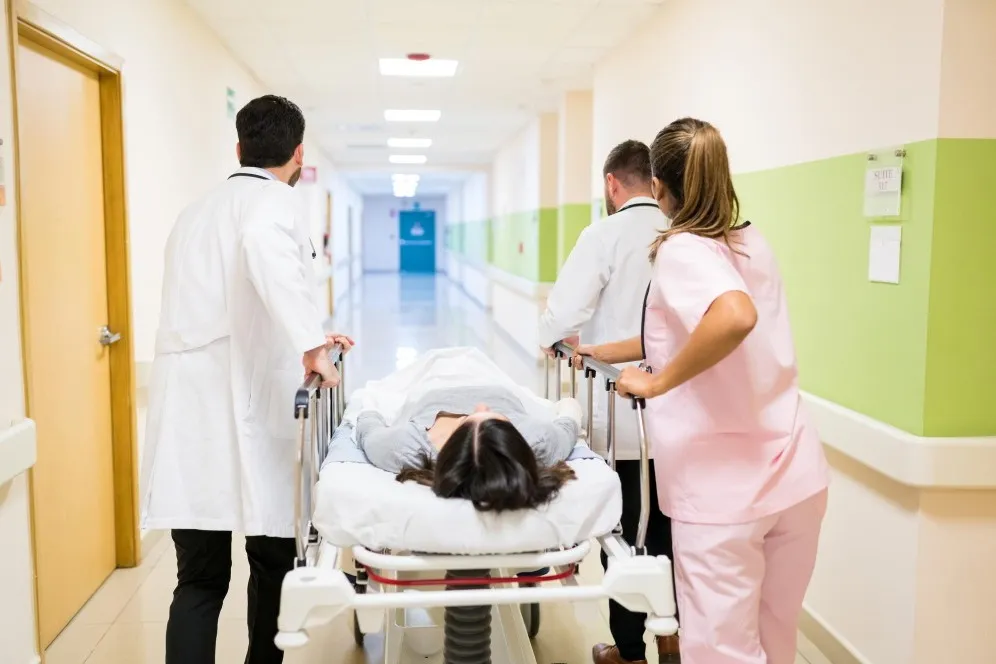
High-energy accidents can also cause injuries beyond the musculoskeletal system and may require emergency hospital assessment.
What Happens During Orthopaedic Trauma Evaluation?
The immediate priority is to understand how the injury happened and identify the structures potentially affected.
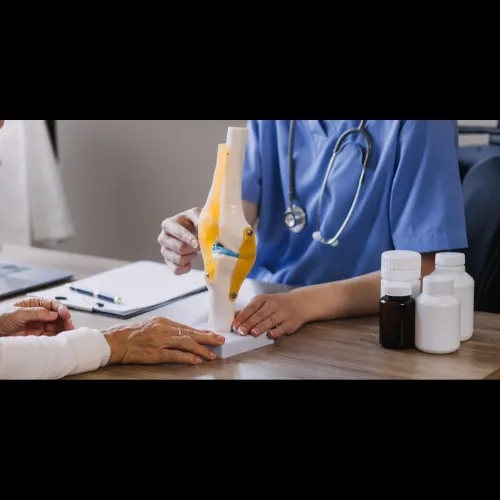
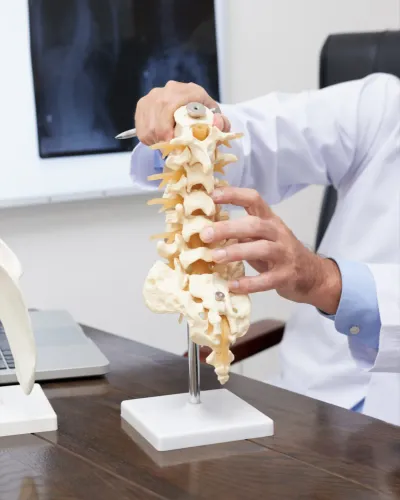
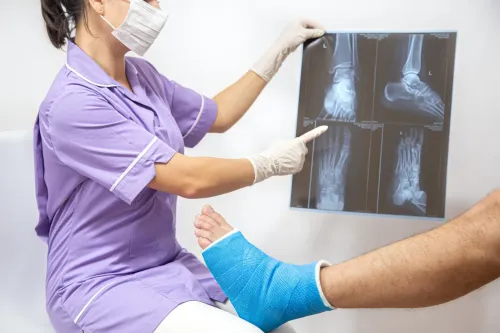
Clinical examination may assess the injured limb or joint, including movement, tenderness, swelling, circulation and neurological function. Imaging such as X-rays is commonly used for suspected fractures or dislocations. CT or MRI may be recommended in selected situations depending on the injury.
Once the diagnosis is established, treatment can be planned according to the stability and severity of the injury.
Not Every Fracture Requires Surgery
A fracture does not automatically mean an operation.
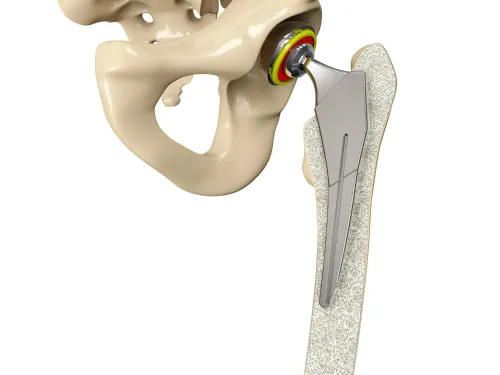
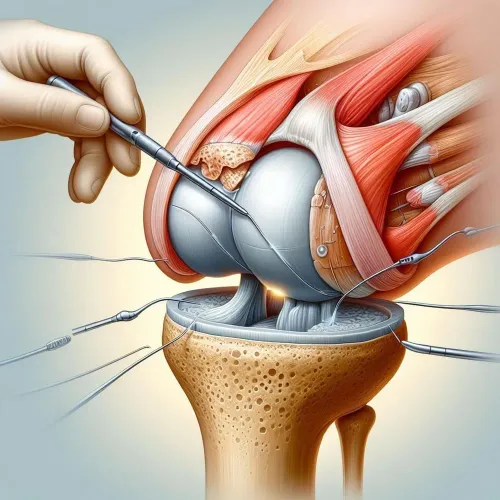
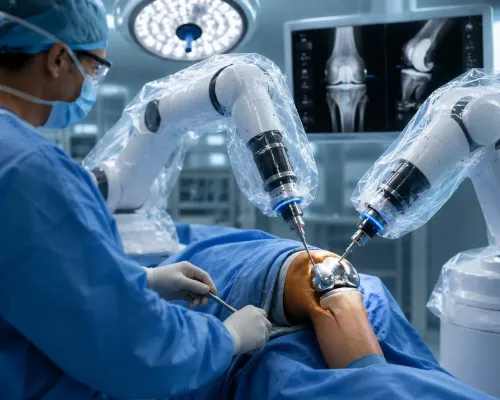
Stable fractures with acceptable alignment may sometimes be managed using a cast, splint, brace or other immobilisation. Other injuries may require reduction or surgical fixation to restore appropriate alignment and stability.
The choice depends on:
- Which bone is injured
- Fracture pattern
- Displacement
- Joint involvement
- Soft-tissue condition
- Patient age and health
- Functional requirements
Follow-up is also important because bone alignment and healing may need to be reviewed over time.
What Should Patients Avoid After Injury?
Trying to repeatedly “test” an injured limb can aggravate pain or displacement. Forceful massage or attempting to straighten a visibly deformed limb without appropriate medical care should also be avoided.
Ayush Orthopaedic Clinic can provide orthopaedic assessment for appropriate musculoskeletal injuries in Pimple Gurav and surrounding PCMC areas, while major trauma and potentially life-threatening injuries require emergency hospital care.
After trauma, the most useful first question is not how quickly pain can be reduced. It is whether a fracture, dislocation, ligament injury or other structural problem is present. Accurate diagnosis provides the foundation for safe recovery.
Keywords