Deciding to proceed with hip replacement is a significant healthcare decision. By the time surgery is considered, many patients have already spent months or years adjusting the way they walk, avoiding stairs or limiting activities because of pain. Preparing properly for Total Hip Replacement can make the treatment journey easier to understand and help patients participate actively in their recovery.
For patients and families in Pimple Saudagar and the Pune region of Maharashtra, preparation should begin well before the day of surgery.
Understand Why Surgery Has Been Recommended
Ask the orthopaedic surgeon to explain the diagnosis and imaging findings.
Patients should understand:
- What has damaged the hip joint
- How advanced the condition is
- Why conservative care is no longer considered sufficient
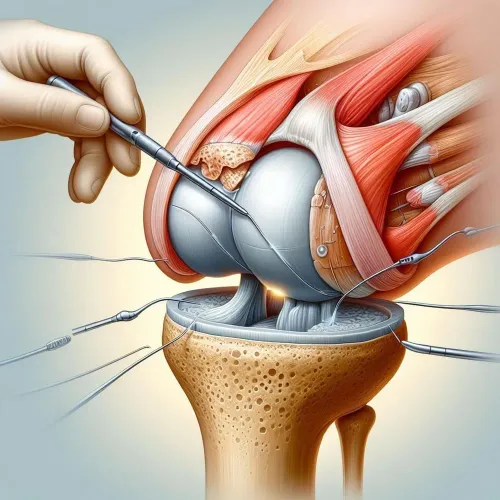
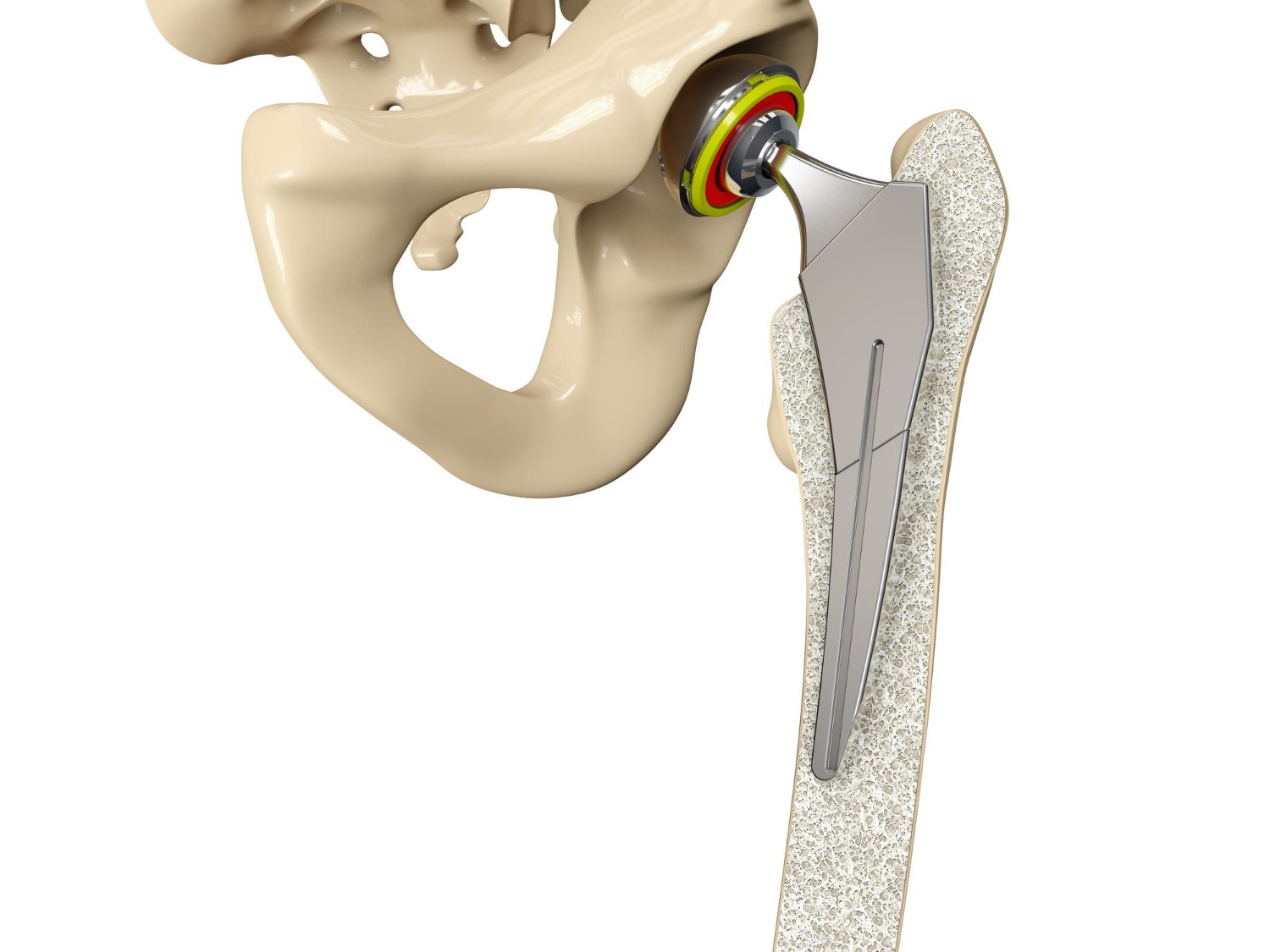
- What the replacement procedure involves
- What functional improvements are reasonably expected
- What risks are relevant to their individual health
The aim is informed decision-making, not simply agreeing to a procedure name.
Review Your Medical Health
Joint replacement is major surgery, so the clinical team may assess general health and existing medical conditions before proceeding.
Preoperative investigations and medical optimisation vary between individuals. Patients should provide an accurate list of medications, previous operations, allergies and existing conditions.
Never stop prescribed medication solely because surgery is approaching unless the treating medical team has provided instructions.
Prepare the Home Environment
Small changes at home can make the early recovery period more manageable.
Consider arranging frequently used items within easy reach, reducing loose rugs and other tripping hazards, creating a clear walking path and discussing whether temporary assistance will be required for daily activities.
The surgical and rehabilitation team can provide specific advice based on the planned procedure.
Understand Rehabilitation Before the Operation
Recovery does not finish when a patient leaves the hospital.
Ask about:
- Walking and weight-bearing instructions
- Physiotherapy
- Exercises
- Wound care
- Follow-up appointments
- Movement precautions where applicable
- Returning to work and driving
Timelines differ according to the patient, surgical approach and clinical progress.
Choose Care Based on More Than Technology
Patients often compare implants, surgical approaches and newer technologies. These are reasonable subjects to discuss, but the treatment decision should also consider diagnosis, surgeon assessment, individual anatomy, medical fitness and postoperative rehabilitation.
At Ayush Orthopaedic Clinic, people seeking assessment for persistent hip pain in Pimple Saudagar can discuss whether total hip replacement is appropriate and what preparation would be required if surgery is recommended.
A well-prepared patient knows not only what operation is planned but why it is being performed, what recovery involves and which responsibilities continue after discharge. That understanding can make the entire treatment pathway clearer for both the patient and the family supporting them
Keywords