
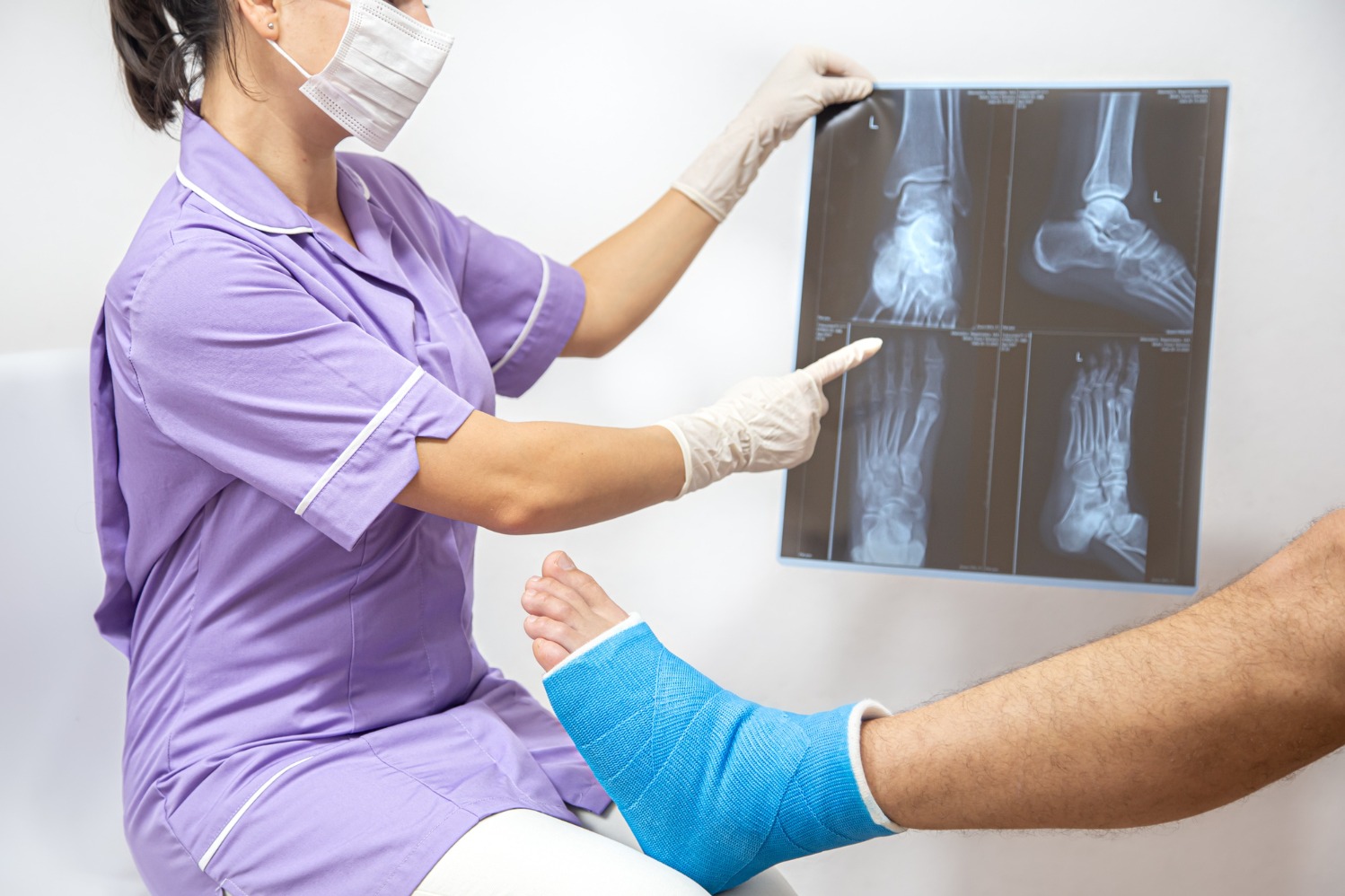
Being told that a bone is fractured often leads to one immediate concern: “Will I need surgery?” There is no single answer. Fracture Treatment is selected according to the type of fracture, its position, alignment, stability, surrounding tissue condition and the patient’s individual circumstances.
For patients in Nigdi and the wider PCMC region of Maharashtra, understanding these factors can make the treatment process less confusing.
When Can a Fracture Be Treated Without Surgery?
Some fractures remain in a satisfactory position and can heal while protected in a cast, splint or brace. In selected cases, a displaced fracture may first be realigned and then immobilised.
Non-operative treatment may be appropriate when the fracture is sufficiently stable and alignment is acceptable.
However, immobilisation is not simply a matter of applying a cast and waiting. Follow-up may be required to check whether the bone remains appropriately positioned as healing progresses.
When Might Surgery Be Considered?
Surgical fixation may be recommended for certain unstable, displaced or complex fractures.
Factors that can influence the decision include:
- Significant displacement
- Unstable fracture pattern
- Involvement of a joint surface
- Open fracture
- Multiple fragments
- Loss of acceptable alignment
- Associated injuries
- Failure of appropriate conservative management in selected cases
Surgical methods differ according to the bone and fracture pattern. Plates, screws, nails, wires or other fixation methods may be used when clinically appropriate.
Why Follow-Up X-Rays Matter
The first X-ray establishes the injury, but it may not always be the last image required.
Some fractures can change position during the early stages of healing. Follow-up imaging allows the orthopaedic team to evaluate alignment and progress.
Patients should also follow instructions regarding weight-bearing. Walking too early on a fracture that requires protection can interfere with treatment, while unnecessary prolonged restriction may not be appropriate for another injury.
Recovery Continues Beyond Bone Union
Once adequate healing has occurred, stiffness and muscle weakness may still need attention. Rehabilitation can help restore movement, strength and function according to the specific injury.
At Ayush Orthopaedic Clinic, patients in Nigdi can have suitable fractures and post-injury problems assessed to determine an appropriate treatment and follow-up plan.
The best fracture treatment is not automatically the least invasive option or the most technologically advanced option. It is the approach capable of maintaining or restoring appropriate alignment and stability while considering healing, function and the individual patient.
If swelling, deformity, inability to use the limb or substantial pain develops after a fall or accident, obtaining an orthopaedic assessment and appropriate imaging can clarify whether the injury is a fracture and what treatment it actually requires.
Keywords


