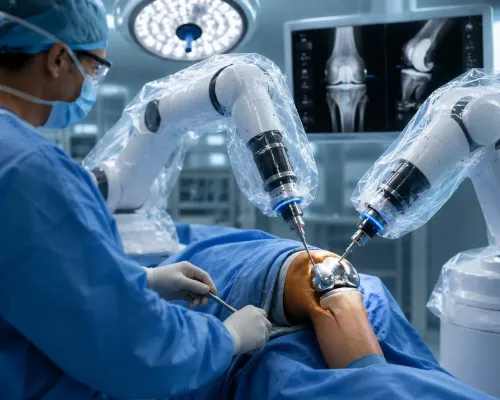
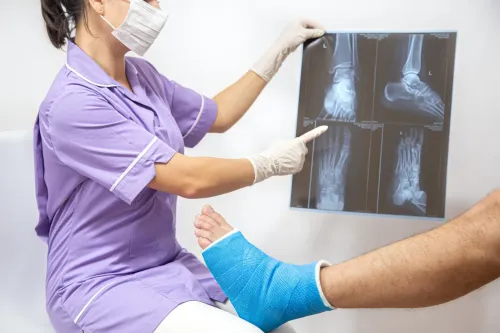
Accidents can happen without warning, whether at home, on the road, during sports, or at work. Injuries involving bones, joints, and soft tissues require prompt assessment to reduce the risk of complications and support proper healing. Trauma Care plays a vital role in managing these injuries and restoring normal function.
For individuals in Pimple Gurav, understanding how orthopaedic trauma is evaluated and treated can help ensure timely medical attention when it is needed most.
What Is Orthopaedic Trauma Care?
Orthopaedic trauma care involves diagnosing and treating injuries affecting the musculoskeletal system, including:
- Bone fractures
- Joint dislocations
- Ligament injuries
- Tendon damage
- Complex trauma involving multiple structures
The primary goal is to restore stability, relieve pain, and promote safe healing.
Common Causes of Orthopaedic Trauma
Traumatic injuries may result from:
- Road traffic accidents
- Falls
- Sports injuries
- Workplace accidents
- Domestic injuries
- High-impact recreational activities
The severity of injury varies depending on the force involved and the affected body part.
Symptoms That Need Urgent Evaluation
Immediate medical assessment is recommended if an injury causes:
- Severe pain
- Visible deformity
- Inability to move a limb
- Excessive swelling
- Open wounds with exposed bone
- Joint instability
- Numbness or loss of sensation
Prompt diagnosis helps prevent further tissue damage and improves recovery outcomes.
How Trauma Injuries Are Diagnosed
Orthopaedic specialists use several methods to evaluate injuries, including:
- Clinical examination
- X-rays
- CT scans
- MRI scans
- Neurovascular assessment
A detailed evaluation ensures that hidden injuries are not overlooked.
Treatment Options
The treatment approach depends on the type and severity of the injury.
Management may include:
- Splinting or casting
- Fracture reduction
- Pain management
- Surgical fixation when necessary
- Ligament repair
- Physiotherapy
- Rehabilitation exercises
Every treatment plan is individualized based on the patient's condition.
Why Early Treatment Is Important
Delaying treatment after trauma may increase the risk of:
- Improper bone healing
- Joint stiffness
- Chronic pain
- Infection
- Reduced mobility
- Long-term disability
Receiving timely orthopaedic care allows injuries to heal in the correct alignment and supports better functional recovery.
Recovery After Trauma
Healing continues well beyond the initial treatment.
Rehabilitation often includes:
- Gradual movement exercises.
- Muscle strengthening.
- Balance training.
- Weight-bearing progression as advised.
- Functional rehabilitation for daily activities.
Following medical advice throughout recovery is essential for regaining strength and mobility.
Preventing Future Injuries
Although accidents cannot always be avoided, preventive measures can reduce risk.
These include:
- Wearing seat belts
- Using protective sports equipment
- Maintaining home safety
- Following workplace safety guidelines
- Improving balance and muscle strength
- Staying physically active
Awareness and preparation contribute significantly to injury prevention.
Comprehensive Trauma Assessment
After any significant injury, professional evaluation is essential even if symptoms initially appear mild. Certain fractures and ligament injuries may become more apparent only after swelling develops.
Individuals requiring orthopaedic trauma assessment in Pimple Gurav may seek consultation at Ayush Orthopaedic Clinic, where diagnosis and treatment are guided by clinical examination, imaging, and the specific nature of the injury. Management plans are designed to promote safe healing while helping patients regain movement and confidence during recovery.
Trauma care is about more than treating an injury—it focuses on restoring function, preventing long-term complications, and supporting a safe return to everyday activities through timely and appropriate orthopaedic management.
Keywords