Hip pain can gradually interfere with nearly every aspect of daily life. Walking, sitting, climbing stairs, and even sleeping comfortably may become challenging when the hip joint is severely damaged. When conservative treatments no longer provide adequate relief, Total Hip Replacement may be considered as an effective solution for restoring mobility and reducing chronic pain.
For residents of Wakad, understanding the purpose, process, and recovery associated with hip replacement surgery can help reduce uncertainty and encourage informed decision-making.
What Is Total Hip Replacement?
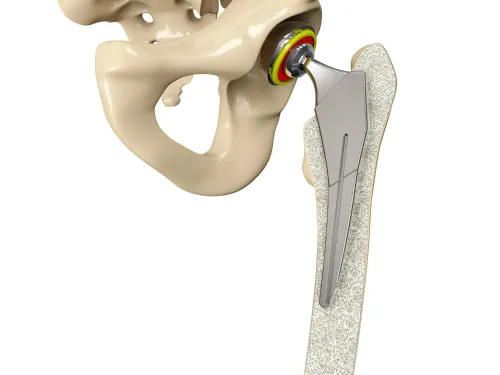
Total hip replacement is a surgical procedure in which the damaged portions of the hip joint are replaced with artificial components designed to replicate the natural movement of the joint.
The procedure aims to:
- Relieve persistent pain
- Improve mobility
- Restore joint function
- Enhance quality of life
- Support everyday activities
The surgery is carefully planned based on the patient's anatomy, health status, and level of joint damage.
Conditions That May Lead to Hip Replacement
Hip replacement is generally recommended after non-surgical treatments have been explored without sufficient improvement.
Common conditions include:
- Advanced osteoarthritis
- Rheumatoid arthritis
- Hip fractures affecting the joint
- Avascular necrosis
- Post-traumatic arthritis
- Severe hip deformities
Each patient's condition requires individual evaluation before surgery is recommended.
Symptoms That Should Not Be Ignored
Patients may benefit from orthopaedic consultation if they experience:
- Persistent hip pain
- Difficulty walking
- Reduced range of motion
- Pain during rest or sleep
- Stiffness after prolonged sitting
- Difficulty climbing stairs
- Reduced independence in daily activities
Early assessment can help identify suitable treatment options before symptoms become more severe.
How Is the Surgery Performed?
The procedure involves removing damaged cartilage and bone from the hip joint before placing specially designed implants that restore smooth movement.
Modern surgical planning focuses on:
- Accurate implant positioning
- Preserving healthy bone where possible
- Restoring leg length
- Improving joint stability
- Reducing soft tissue injury
Advancements in surgical techniques continue to improve both safety and recovery.
Preparing for Hip Replacement
Preparation helps patients recover more efficiently.
Before surgery, doctors may recommend:
- Medical fitness evaluation.
- Blood investigations.
- Imaging studies.
- Medication review.
- Physiotherapy exercises.
- Weight management when appropriate.
- Planning home support after discharge.
Good preparation contributes to a smoother rehabilitation journey.
Recovery and Rehabilitation
Recovery is gradual and requires active participation from the patient.
Typical rehabilitation includes:
- Early assisted walking
- Pain management
- Physiotherapy sessions
- Strengthening exercises
- Balance training
- Regular follow-up appointments
Every patient progresses differently depending on age, overall health, and commitment to rehabilitation.
Life After Hip Replacement
Many individuals can return to everyday activities once recovery is complete.
Patients are generally encouraged to:
- Maintain a healthy weight
- Stay physically active
- Perform recommended exercises
- Avoid high-impact activities if advised
- Attend regular follow-up visits
These measures help support long-term implant performance and joint health.
Are There Alternatives?
Before recommending surgery, orthopaedic specialists often consider treatments such as:
- Medications
- Physiotherapy
- Lifestyle modifications
- Walking aids
- Joint injections where appropriate
Hip replacement is usually considered when these options no longer provide satisfactory relief.
Choosing the Right Orthopaedic Team
Successful hip replacement depends on accurate diagnosis, careful surgical planning, and comprehensive rehabilitation. Selecting an experienced orthopaedic team ensures that every stage of treatment is tailored to the patient's specific needs.
Individuals seeking evaluation for chronic hip pain in Wakad may consider consulting Ayush Orthopaedic Clinic, where treatment recommendations are based on clinical findings, imaging results, and patient expectations. The focus remains on helping individuals understand all available treatment options before deciding on surgery.
Modern total hip replacement has transformed the lives of many people living with severe hip disorders. By combining advanced surgical techniques with structured rehabilitation and long-term follow-up, patients can work toward improved mobility, reduced pain, and greater independence in their daily lives.
Keywords