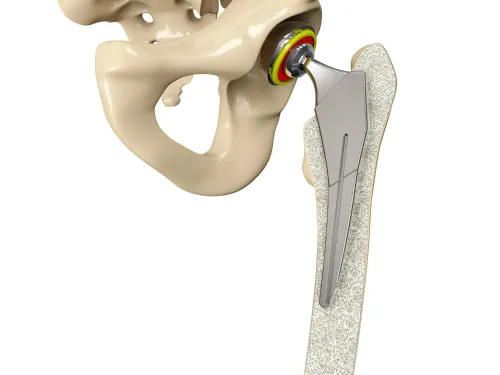
Living with severe hip pain can affect every aspect of daily life, from walking short distances to getting a good night's sleep. When medications, physiotherapy, and lifestyle changes no longer provide adequate relief, Total Hip Replacement may become an appropriate treatment option. However, choosing where and by whom the surgery is performed is just as important as deciding to undergo the procedure itself.
For patients in Pimpri Chinchwad, understanding what to look for in an orthopaedic surgeon and healthcare facility can help ensure informed decisions and better treatment experiences.
Why Choosing the Right Provider Matters
Hip replacement is a well-established orthopaedic procedure, but successful outcomes depend on multiple factors beyond the surgery itself.
These include:
- Accurate diagnosis
- Appropriate patient selection
- Surgical planning
- Experienced surgical team
- Post-operative rehabilitation
- Long-term follow-up
A comprehensive approach supports recovery and helps patients regain mobility safely.
Questions to Ask Before Choosing a Surgeon
Patients should feel comfortable discussing their concerns during a consultation.
Useful questions include:
- Is surgery the most suitable option for my condition?
- What type of implant is recommended?
- What are the expected benefits and possible risks?
- How long is the recovery period?
- What rehabilitation programme will I need?
- How often will follow-up appointments be required?
Open communication allows patients to understand their treatment plan and set realistic expectations.
Factors to Consider When Selecting a Hospital
The quality of care extends beyond the operating room.
Look for a healthcare facility that offers:
- Comprehensive diagnostic services
- Experienced orthopaedic specialists
- Advanced surgical technology
- Dedicated physiotherapy support
- Infection prevention protocols
- Coordinated post-operative care
These factors contribute to a smoother treatment journey.
Preparing for Hip Replacement
Preparation is an important part of achieving good surgical outcomes.
Patients are often advised to:
- Undergo pre-operative medical evaluation.
- Maintain good control of existing medical conditions.
- Perform strengthening exercises if recommended.
- Review medications with the healthcare team.
- Plan for assistance at home during recovery.
Being physically and mentally prepared can make rehabilitation easier.
Recovery Expectations
Recovery is gradual and differs from one patient to another.
The rehabilitation process generally includes:
- Assisted walking
- Physiotherapy
- Muscle strengthening
- Balance training
- Progressive return to routine activities
Following professional guidance throughout recovery helps improve mobility and joint function.
Understanding Long-Term Care
Hip replacement does not end after discharge from the hospital.
Patients should continue to:
- Attend follow-up appointments
- Maintain a healthy weight
- Stay physically active
- Avoid activities discouraged by the surgeon
- Report any unusual symptoms promptly
These habits help support the long-term performance of the artificial joint.
Making an Informed Decision
Selecting an orthopaedic provider should be based on clinical expertise, clear communication, and personalized care rather than advertising claims alone. Every patient deserves a treatment plan that considers their health, lifestyle, and individual goals.
People exploring hip replacement options in Pimpri Chinchwad may consult Ayush Orthopaedic Clinic, where patients undergo detailed assessment before treatment recommendations are made. The clinic focuses on helping individuals understand available options, expected outcomes, and rehabilitation requirements so they can participate actively in their care.
Choosing the right orthopaedic team, preparing well for surgery, and committing to rehabilitation together create the foundation for improved mobility and a better quality of life following total hip replacement.
Keywords