Occasional back discomfort is common and often improves with rest or simple lifestyle changes. However, persistent or worsening symptoms may indicate an underlying spinal condition that requires medical evaluation. Knowing when to seek professional advice is an important part of maintaining long-term spinal health.
For residents of Wakad, understanding the warning signs associated with spinal disorders can help ensure timely diagnosis and appropriate treatment.
When Is Back Pain More Than a Temporary Problem?
Back pain becomes a concern when it:
- Persists for several weeks
- Returns frequently
- Interferes with daily activities
- Limits movement
- Affects sleep
- Does not improve with conservative care
Ignoring ongoing symptoms may allow certain spinal conditions to progress.
Common Conditions Affecting the Spine
Orthopaedic specialists evaluate a wide range of spinal disorders, including:
- Degenerative disc disease
- Herniated discs
- Spinal stenosis
- Muscle strain
- Osteoarthritis of the spine
- Compression fractures
- Postural disorders
Each condition requires a different treatment approach.
Warning Signs That Need Medical Evaluation
Consult an orthopaedic specialist if you experience:
- Pain radiating to the legs
- Persistent numbness or tingling
- Muscle weakness
- Difficulty walking
- Loss of balance
- Neck pain associated with arm symptoms
- Pain after a fall or accident
These symptoms may suggest nerve involvement or structural spinal problems.
How Is Spine Pain Evaluated?
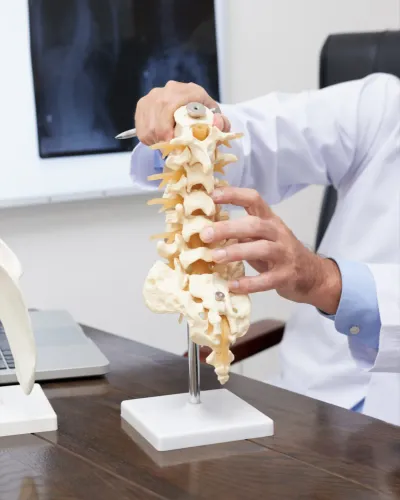
Diagnosis begins with a detailed consultation and physical examination.
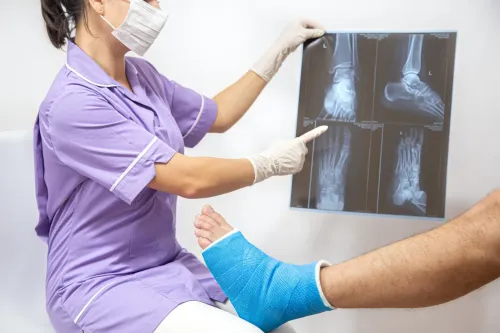
Additional investigations may include:
- X-rays
- MRI scans
- CT scans
- Neurological examination
- Functional movement assessment
The objective is to identify the underlying cause rather than simply treating the symptoms.
Treatment Options
Many spinal conditions improve with non-surgical management.
Depending on the diagnosis, treatment may involve:
- Physiotherapy
- Activity modification
- Medication
- Posture correction
- Strengthening exercises
- Image-guided procedures when indicated
Surgery is generally considered only when conservative treatments have not provided adequate relief or when neurological symptoms require intervention.
Supporting Spine Health
Healthy daily habits reduce stress on the spine and promote long-term mobility.
Helpful practices include:
- Maintaining proper posture
- Regular stretching
- Core strengthening
- Avoiding prolonged sitting
- Using ergonomic workstations
- Staying physically active
Consistency is essential for maintaining spinal health.
Choosing the Right Orthopaedic Evaluation
Persistent back pain deserves a comprehensive assessment rather than repeated self-treatment. Early diagnosis allows appropriate management before symptoms become more severe.
People seeking spine evaluation in Wakad may consult Ayush Orthopaedic Clinic, where treatment recommendations are based on detailed examination, diagnostic imaging, and individual health needs. The clinic emphasizes evidence-based care that may include rehabilitation, lifestyle guidance, or advanced treatment when clinically indicated.
Recognizing early warning signs and seeking timely medical advice can play a significant role in preserving spinal function, reducing discomfort, and improving overall quality of life.
Keywords