Back pain is one of the most common health concerns affecting people of all ages. Whether it develops from long hours at a desk, heavy lifting, poor posture, or age-related changes, spinal problems can significantly impact daily life. While occasional discomfort may improve with rest, persistent pain should never be ignored. Understanding the basics of Spine Care can help reduce the risk of long-term complications and support better mobility.
For residents of Pimple Saudagar, adopting healthy habits and seeking timely medical advice can make a meaningful difference in maintaining spinal health.
Why Is Spine Health Important?
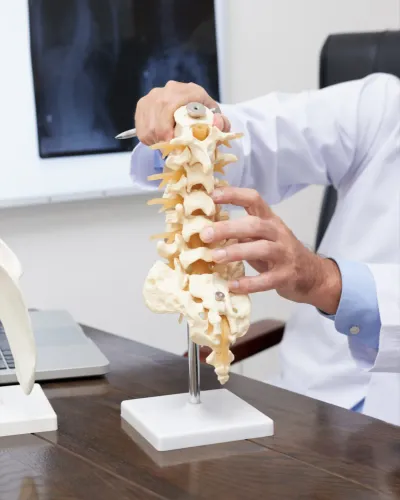
The spine provides support, flexibility, and protection for the spinal cord. It enables movement while maintaining balance and posture. Because it plays such an essential role in everyday activities, even minor spinal problems can affect work, exercise, and routine household tasks.
Maintaining a healthy spine contributes to:
- Better posture
- Improved flexibility
- Reduced risk of injury
- Comfortable movement
- Enhanced overall quality of life
Common Causes of Back Pain
Back pain can develop for several reasons, including:
- Poor sitting posture
- Prolonged computer use
- Heavy lifting without proper technique
- Muscle strain
- Herniated discs
- Degenerative spinal conditions
- Sports injuries
- Osteoporosis
- Excess body weight
Identifying the underlying cause is important because treatment varies depending on the diagnosis.
Signs That Require Medical Attention
While mild back pain often improves within a few days, certain symptoms require evaluation by an orthopaedic specialist.
Seek medical advice if you experience:
- Pain lasting more than a few weeks
- Pain radiating down the legs
- Numbness or tingling
- Muscle weakness
- Difficulty standing or walking
- Loss of bladder or bowel control
- Pain following a fall or accident
Early diagnosis may help prevent further complications.
Daily Habits That Support Spine Care
Simple lifestyle adjustments can reduce strain on the spine and improve overall comfort.
Consider the following practices:
- Maintain good posture while sitting and standing.
- Take short breaks during prolonged desk work.
- Lift heavy objects using your knees rather than your back.
- Sleep on a supportive mattress.
- Strengthen your core muscles through guided exercise.
- Maintain a healthy body weight.
- Stay physically active with low-impact activities such as walking or swimming.
These habits support spinal health over time and may reduce the likelihood of recurring discomfort.
How Is Spine Pain Diagnosed?
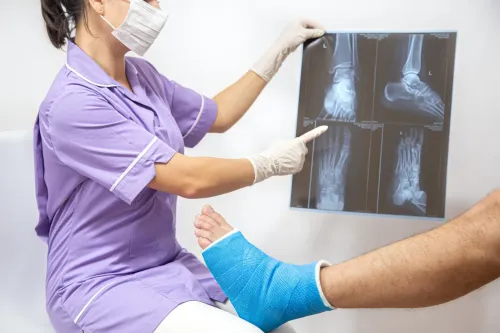
A proper diagnosis begins with a detailed medical history and physical examination. Depending on the symptoms, the doctor may recommend:
- X-rays
- MRI scans
- CT scans
- Neurological assessment
- Movement and posture evaluation
Accurate diagnosis helps identify whether the pain originates from muscles, discs, joints, nerves, or other structures.
Treatment Options
Treatment depends on the cause and severity of the condition.
Common approaches include:
- Activity modification
- Physiotherapy
- Pain-relieving medications
- Posture correction
- Guided strengthening exercises
- Image-guided injections in selected cases
- Surgery only when clearly indicated
Most patients improve with non-surgical treatment when managed appropriately.
Preventing Future Spine Problems
Prevention is often more effective than treatment. Small changes in daily routines can protect spinal health for years.
Helpful preventive measures include:
- Regular stretching
- Ergonomic workplace setup
- Avoiding prolonged sitting
- Wearing supportive footwear
- Staying hydrated
- Quitting smoking, as it may affect spinal disc health
Consistency is key to maintaining a healthy back.
Choosing the Right Orthopaedic Evaluation
Persistent or recurring back pain deserves professional attention rather than repeated self-medication. A detailed evaluation helps determine the exact cause and allows treatment to be tailored to the individual's condition.
People seeking comprehensive spine assessment in Pimple Saudagar may consult Ayush Orthopaedic Clinic, where patients receive evidence-based guidance based on clinical examination and diagnostic findings. Whether the issue requires physiotherapy, lifestyle modifications, or advanced intervention, an individualized approach supports better long-term outcomes.
Good spine care begins with awareness, healthy daily habits, and timely medical evaluation. Understanding these principles enables individuals to protect their spinal health and continue enjoying an active, independent lifestyle.
Keywords