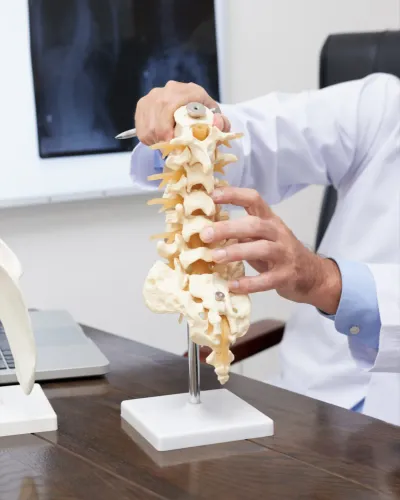
Back pain is extremely common, but its causes vary considerably. A strained muscle after unusual activity may settle with appropriate care, while persistent pain associated with neurological symptoms can require a more detailed assessment. Effective Spine Care therefore begins by identifying the source of the problem instead of treating every episode of back pain in the same way.
For people living or working in Pimple Saudagar and the wider Pune region of Maharashtra, long hours at desks, commuting, reduced physical activity and inappropriate lifting techniques can all contribute to musculoskeletal discomfort.
Back Pain Can Come From Different Structures
Pain may originate from muscles, joints, discs, ligaments or other structures around the spine. Nerve irritation can also produce symptoms that travel away from the back.
This is why the location and character of pain matter.
During an orthopaedic assessment, the clinician may ask:
- When did the pain begin?
- Did it follow an injury?
- Does it travel into the leg or arm?
- Is there numbness or tingling?
- Which movements make it worse?
- Is there weakness?
- Has the pain changed over time?
These details help determine what further examination or investigation may be necessary.
When Should Back Pain Be Evaluated?
Mild back discomfort following activity may improve with appropriate rest, gradual movement and conservative management. Medical evaluation becomes more important when pain is severe, recurrent or persistent.
Particular attention is needed when back pain is accompanied by neurological symptoms such as increasing weakness or altered sensation.
Urgent assessment is important for symptoms such as new loss of bladder or bowel control, numbness around the groin or saddle area, rapidly progressing limb weakness, or severe pain following significant trauma.
Imaging Is Not Automatically Required
One common misconception is that every episode of back pain requires an MRI.
Imaging can be extremely useful when clinically indicated, but the decision depends on symptoms, examination findings, duration, history of trauma and suspected diagnosis. In many straightforward cases, clinical assessment comes first.
Treatment Depends on the Diagnosis
Appropriate spine care may involve combinations of:
- Activity modification
- Pain management
- Physiotherapy
- Posture and ergonomic changes
- Strengthening and mobility exercises
- Further diagnostic evaluation
- Specialist intervention when indicated
At Ayush Orthopaedic Clinic, patients from Pimple Saudagar can have persistent back and spine-related symptoms evaluated before an individual management plan is considered.
The goal should not simply be to suppress every episode of discomfort. Good spine care focuses on understanding why symptoms are occurring, identifying warning signs when present and helping the patient return to safe, sustainable movement.
Keywords