Joint pain can make everyday activities like walking, climbing stairs, or even getting up from a chair increasingly difficult. For many people, medications, physiotherapy, and lifestyle modifications provide relief, but when joint damage becomes severe, surgery may be the most effective option. One of the most significant advancements in modern orthopaedics is Robotic Joint Replacement, which combines surgical expertise with advanced technology to improve precision during joint replacement procedures.
For individuals in PCMC seeking information about advanced orthopaedic treatment, understanding how robotic-assisted surgery works can help them make informed healthcare decisions.
What Is Robotic Joint Replacement?
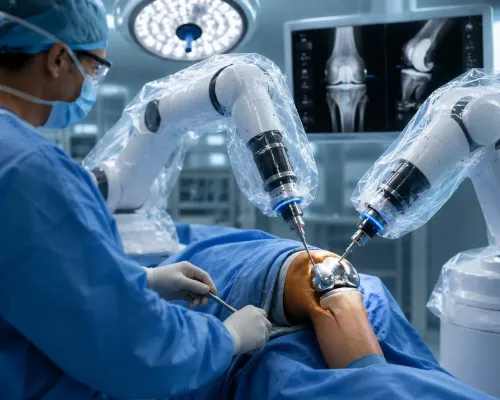
Robotic Joint Replacement is an advanced surgical technique that assists orthopaedic surgeons in planning and performing joint replacement procedures with enhanced accuracy. Despite its name, the robot does not perform the surgery independently. Instead, it serves as a sophisticated tool that provides detailed imaging, real-time guidance, and precise measurements while the surgeon remains in complete control throughout the operation.
The technology helps customize the procedure according to each patient's anatomy, making every surgery more personalized.
When Is Joint Replacement Recommended?
Not every joint problem requires surgery. Doctors usually recommend joint replacement when conservative treatments fail to provide sufficient relief.
Common situations include:
- Advanced osteoarthritis
- Rheumatoid arthritis causing joint damage
- Severe joint stiffness
- Persistent pain affecting daily activities
- Reduced mobility despite physiotherapy
- Joint deformity due to wear and tear
A comprehensive clinical examination and imaging studies help determine whether robotic-assisted surgery is suitable for an individual.
How Robotic Assistance Improves Precision
Traditional joint replacement relies heavily on the surgeon's experience and manual alignment. Robotic assistance enhances this process by providing detailed planning before the surgery begins.
Some advantages include:
- Accurate implant positioning
- Better joint alignment
- Improved bone preservation
- Real-time feedback during surgery
- Personalized surgical planning
- Greater consistency throughout the procedure
These technological advantages support the surgeon in making informed decisions during every stage of the operation.
Benefits Patients May Experience
While every person's recovery is unique, robotic-assisted joint replacement has several potential advantages when compared with conventional techniques.
Patients may experience:
- Better restoration of natural joint movement
- Reduced damage to surrounding tissues
- Improved implant positioning
- Enhanced stability
- Faster early rehabilitation for suitable candidates
- Greater confidence in joint function
Actual outcomes depend on multiple factors, including overall health, rehabilitation participation, and the severity of the original joint condition.
Which Joints Can Be Treated?
Robotic technology is commonly used for major joint replacement procedures, including:
- Knee replacement
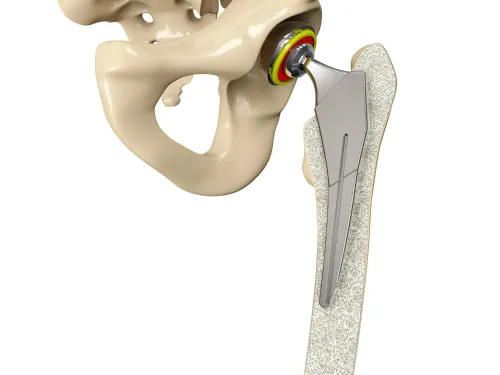
- Hip replacement
- Partial knee replacement in selected patients
Your orthopaedic surgeon will recommend the most appropriate procedure after evaluating your condition.
Preparing for Surgery
Preparation plays an important role in achieving a successful outcome.
Patients are generally advised to:
- Complete all recommended medical investigations.
- Discuss current medications with their doctor.
- Follow instructions regarding diet before surgery.
- Maintain good blood sugar control if diabetic.
- Strengthen surrounding muscles through prescribed exercises.
- Arrange home support during the recovery period.
Proper preparation helps reduce surgical risks and supports smoother rehabilitation.
Recovery After Robotic Joint Replacement
Recovery begins soon after surgery. Most patients are encouraged to start gentle movement under professional supervision as advised by their healthcare team.
Recovery generally includes:
- Guided physiotherapy
- Gradual walking practice
- Pain management
- Muscle strengthening exercises
- Regular follow-up assessments
- Lifestyle modifications to protect the new joint
The duration of recovery varies depending on age, overall health, and adherence to rehabilitation.
Is Everyone a Candidate?
Robotic-assisted surgery may not be appropriate for every patient. Eligibility depends on several factors such as:
- Degree of joint damage
- Bone quality
- Overall medical condition
- Previous surgeries
- Lifestyle requirements
- Individual treatment goals
A detailed consultation helps determine the most suitable treatment plan.
Choosing the Right Orthopaedic Care
When considering robotic-assisted surgery, it is important to seek care from an experienced orthopaedic team that combines clinical expertise with advanced technology. A thorough evaluation, accurate diagnosis, and personalized treatment planning contribute significantly to successful outcomes.
Patients exploring advanced orthopaedic options in PCMC often consult specialists such as Ayush Orthopaedic Clinic, where treatment decisions are based on individual assessment rather than a one-size-fits-all approach. Whether surgery is recommended or conservative management remains appropriate, receiving evidence-based guidance helps patients understand every available option.
Modern orthopaedic care continues to evolve, and robotic-assisted joint replacement represents one of the many innovations aimed at improving surgical precision and patient outcomes. Learning about the procedure empowers individuals to discuss their concerns confidently with their orthopaedic specialist and make well-informed decisions about their long-term joint health.
Keywords