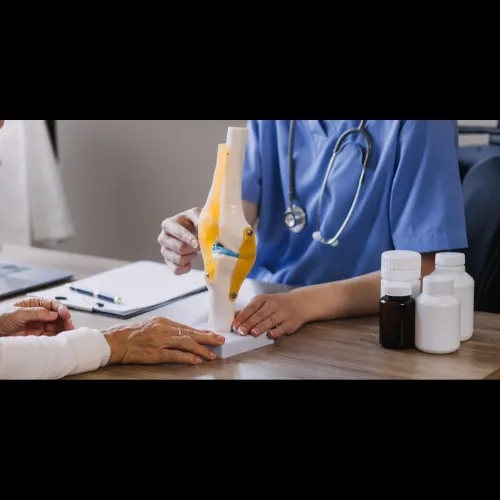
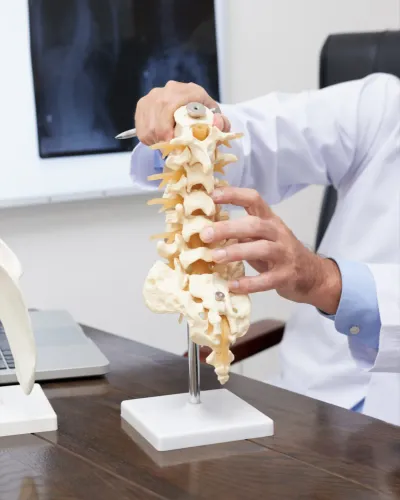
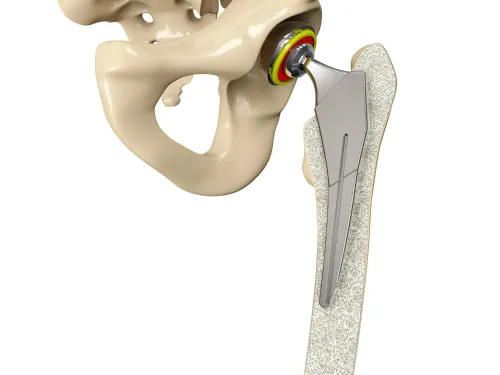
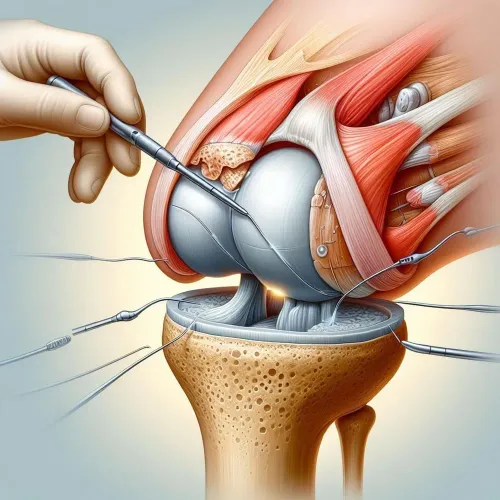
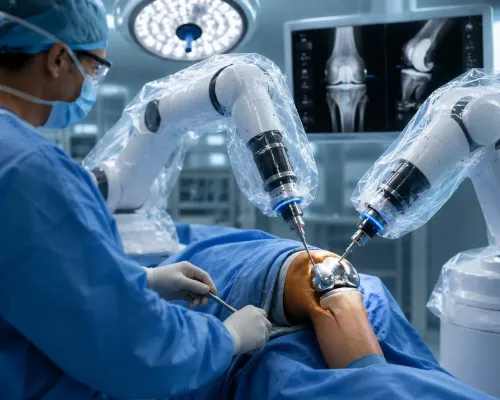
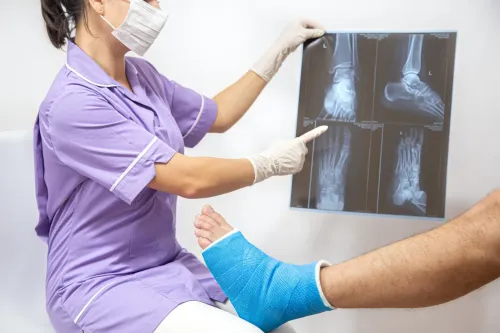
Bones, joints, muscles, ligaments, and tendons work together to help us move comfortably throughout the day. When any of these structures are injured or affected by disease, everyday activities such as walking, climbing stairs, lifting objects, or exercising can become difficult. General Orthopaedic Care focuses on diagnosing, treating, and preventing conditions affecting the musculoskeletal system.
Residents of Pimple Nilakh often experience orthopaedic concerns ranging from sports injuries and arthritis to fractures and chronic joint pain. Knowing when to seek professional evaluation can help prevent complications and support faster recovery.
What Does General Orthopaedic Care Include?
Orthopaedic care covers a broad range of conditions involving:
- Bones
- Joints
- Muscles
- Ligaments
- Tendons
- Cartilage
- Spine
Treatment plans may include both non-surgical and surgical approaches depending on the diagnosis.
Common Conditions Treated
Orthopaedic specialists frequently evaluate patients with:
- Arthritis
- Joint pain
- Back and neck pain
- Sports injuries
- Fractures
- Tendon injuries
- Ligament tears
- Frozen shoulder
- Knee pain
- Hip pain
Early diagnosis often improves treatment outcomes.
Warning Signs You Should Not Ignore
Some symptoms indicate that professional evaluation is necessary.
These include:
- Persistent joint pain
- Swelling around joints
- Difficulty walking
- Limited range of motion
- Pain after injury
- Recurrent instability
- Joint deformity
- Muscle weakness
Ignoring these symptoms may lead to worsening joint damage or delayed recovery.
How Orthopaedic Conditions Are Diagnosed
A thorough assessment usually includes:
- Medical history.
- Physical examination.
- X-rays.
- MRI or CT scans when necessary.
- Functional movement assessment.
This process helps identify the exact source of pain and determine the most suitable treatment strategy.
Non-Surgical Treatment Options
Many orthopaedic problems can be managed without surgery.
Treatment may involve:
- Physiotherapy
- Medication
- Lifestyle changes
- Weight management
- Joint injections in selected cases
- Activity modification
- Exercise programmes
The goal is to relieve pain, improve function, and restore mobility whenever possible.
When Is Surgery Recommended?
Surgery may be considered when:
- Conservative treatment fails
- Severe fractures require stabilization
- Joint damage is advanced
- Ligament injuries cause instability
- Pain significantly affects quality of life
The decision is always based on individual clinical findings and patient needs.
Maintaining Healthy Bones and Joints
Preventive care plays an important role in long-term musculoskeletal health.
Healthy habits include:
- Regular physical activity
- Balanced nutrition
- Adequate calcium and vitamin D intake
- Maintaining a healthy weight
- Safe exercise techniques
- Wearing protective equipment during sports
These measures support strong bones and healthy joints throughout life.
The Importance of Early Assessment
Many musculoskeletal disorders develop gradually. Seeking early evaluation allows treatment to begin before symptoms become severe or permanent damage occurs.
Patients looking for comprehensive orthopaedic evaluation in Pimple Nilakh may consult Ayush Orthopaedic Clinic, where care is based on detailed clinical examination, appropriate investigations, and individualized treatment planning. Depending on the diagnosis, management may involve conservative therapies, rehabilitation, or surgical intervention when medically necessary.
General orthopaedic care is not limited to treating injuries. It also focuses on preserving mobility, preventing future complications, and helping individuals maintain an active lifestyle through timely diagnosis and evidence-based treatment.
Keywords