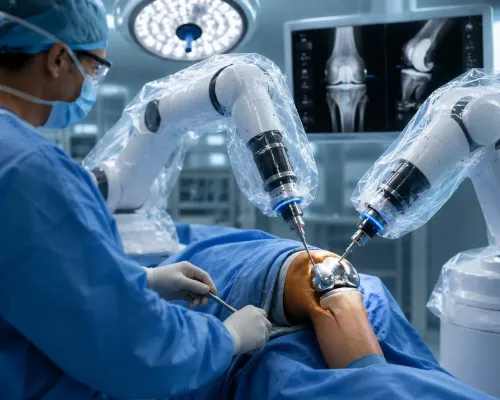
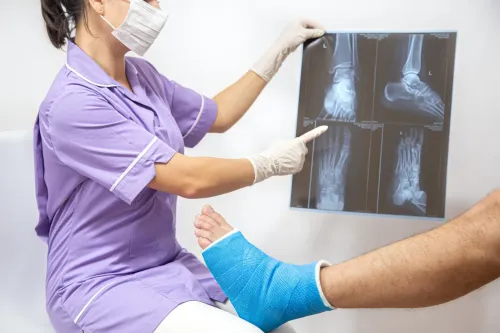
A fracture can happen unexpectedly during a fall, road accident, sports activity, or even a simple misstep. While some fractures are minor and stable, others require urgent medical attention to prevent complications. Receiving the right Fracture Treatment at the right time plays an important role in ensuring proper bone healing and restoring normal movement.
For people living in Nigdi, understanding how fractures are diagnosed and managed can help reduce anxiety and encourage timely orthopaedic consultation after an injury.
What Is a Fracture?
A fracture is a break or crack in a bone. The severity can vary from a small hairline crack to a complete break where the bone is displaced. Fractures can occur in any bone, including the wrist, arm, collarbone, hip, leg, ankle, or foot.
The type of fracture influences the treatment plan and recovery time.
Common Causes of Fractures
Bones usually break because of significant force or weakened bone strength.
Common causes include:
- Falls at home
- Road traffic accidents
- Sports injuries
- Workplace accidents
- Osteoporosis
- Repetitive stress on bones
- Direct impact during recreational activities
Older adults and individuals with reduced bone density may sustain fractures even after relatively minor falls.
Signs and Symptoms
A fracture often presents with noticeable symptoms, including:
- Sudden severe pain
- Swelling around the injured area
- Bruising
- Difficulty moving the affected limb
- Deformity
- Tenderness
- Inability to bear weight
Even if pain seems manageable, medical evaluation is essential because some fractures may not be immediately obvious.
How Are Fractures Diagnosed?
An orthopaedic specialist begins with a physical examination and a detailed history of the injury. Imaging tests help confirm the diagnosis and determine the severity.
Investigations may include:
- X-rays
- CT scans for complex fractures
- MRI scans for associated ligament or soft tissue injuries
Accurate diagnosis helps guide the most appropriate treatment.
Treatment Options
Fracture management depends on the location, type, and stability of the broken bone.
Treatment may involve:
- Immobilization with a cast or splint
- Closed reduction to realign the bone
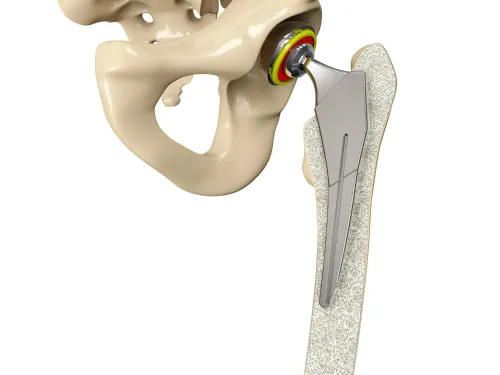
- Surgical fixation using plates, screws, or rods when required
- Pain management
- Physiotherapy after healing begins
The objective is to restore proper bone alignment and function while reducing the risk of long-term complications.
Recovery and Rehabilitation
Healing continues after the initial treatment. Rehabilitation is essential for restoring strength and mobility.
Recovery often includes:
- Gentle range-of-motion exercises.
- Muscle strengthening.
- Gradual weight-bearing as advised.
- Balance and coordination training.
- Regular follow-up X-rays to monitor healing.
Recovery times vary depending on the patient's age, overall health, and the nature of the fracture.
Supporting Bone Healing
Patients can support recovery by:
- Following medical advice carefully
- Eating a balanced diet rich in calcium and protein
- Maintaining adequate vitamin D levels
- Avoiding smoking
- Attending scheduled follow-up appointments
- Completing prescribed physiotherapy
These measures contribute to healthy bone healing.
When Should You See an Orthopaedic Specialist?
Prompt medical evaluation is recommended whenever a fracture is suspected. Delayed treatment can lead to poor bone alignment, prolonged pain, reduced mobility, or delayed healing.
Individuals seeking fracture management in Nigdi may consult Ayush Orthopaedic Clinic, where treatment decisions are based on careful clinical examination and imaging findings. Whether the injury requires conservative care or surgical fixation, individualized treatment planning helps support safe recovery.
Modern fracture treatment focuses not only on healing the bone but also on restoring strength, movement, and confidence so patients can gradually return to their normal daily activities.
Keywords