Ligaments play a crucial role in keeping joints stable during everyday movements and physical activities. Whether caused by a sports injury, an accident, or a sudden twist, a torn ligament can lead to pain, swelling, instability, and difficulty performing routine tasks. Advances in orthopaedic surgery have made treatment more precise and less invasive, with Arthroscopic Ligament Repair becoming a preferred option for many patients.
For people living in Pimpri Chinchwad, understanding how arthroscopic surgery works can help them recognize treatment options that support faster recovery and long-term joint function.
What Is Arthroscopic Ligament Repair?
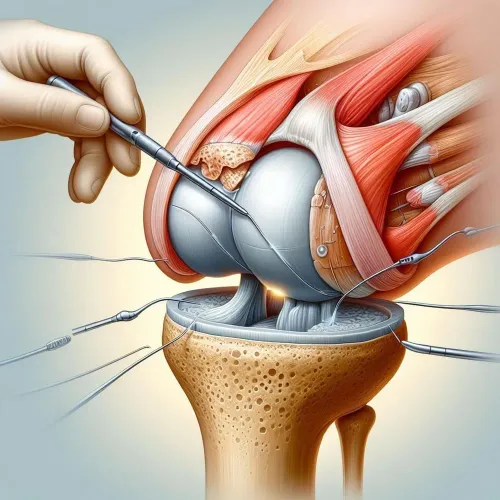
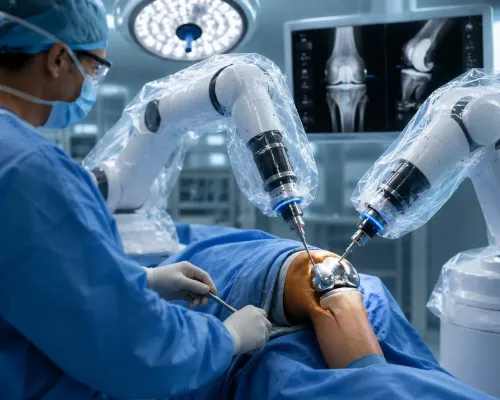
Arthroscopic ligament repair is a minimally invasive surgical procedure performed using a small camera called an arthroscope and specialized surgical instruments. Instead of making a large incision, the surgeon operates through tiny cuts while viewing the inside of the joint on a high-definition monitor.
This approach allows for accurate diagnosis and treatment of ligament injuries while minimizing disruption to surrounding tissues.
Which Ligaments Can Be Treated?
Arthroscopy is commonly used to repair or reconstruct damaged ligaments in different joints, including:
- Anterior Cruciate Ligament (ACL)
- Posterior Cruciate Ligament (PCL)
- Shoulder ligaments
- Ankle ligaments
- Wrist ligaments in selected cases
The appropriate procedure depends on the severity of the injury, the patient's activity level, and overall joint health.
Common Signs of a Ligament Injury
A ligament tear may not always be immediately obvious. Some symptoms develop gradually after the injury.
Common signs include:
- Sudden pain after twisting the joint
- Swelling within a few hours
- A popping sensation during injury
- Joint instability
- Difficulty bearing weight
- Limited range of motion
- Recurrent episodes of the joint giving way
Persistent symptoms should be evaluated by an orthopaedic specialist to prevent further damage.
Benefits of Arthroscopic Surgery
Compared with traditional open surgery, arthroscopic techniques offer several advantages for suitable patients.
These may include:
- Smaller incisions
- Reduced soft tissue damage
- Better visualization of the joint
- Lower risk of infection
- Less postoperative discomfort
- Faster rehabilitation in appropriate cases
- Minimal scarring
While recovery timelines differ, many patients appreciate the minimally invasive nature of the procedure.
What Happens Before Surgery?
Before recommending arthroscopic ligament repair, the orthopaedic surgeon performs a detailed assessment that may include:
- Medical history review
- Physical examination
- X-rays
- MRI scans
- Joint stability tests
- Functional assessment
This comprehensive evaluation helps determine whether surgery or conservative treatment is the better option.
The Recovery Process
Recovery does not end with surgery. Rehabilitation plays an essential role in restoring joint function.
Recovery usually involves:
- Initial pain and swelling management.
- Guided physiotherapy.
- Progressive strengthening exercises.
- Balance and coordination training.
- Gradual return to normal activities.
- Sport-specific rehabilitation for athletes.
Following the rehabilitation plan consistently is essential for achieving the best possible outcome.
Can Ligament Injuries Heal Without Surgery?
Some minor ligament injuries can improve with:
- Rest
- Ice application
- Compression
- Elevation
- Bracing
- Physiotherapy
However, complete ligament tears or injuries causing persistent instability may require surgical intervention to restore proper joint function. The decision depends on individual clinical findings rather than the injury alone.
Preventing Future Ligament Injuries
Although not every injury can be prevented, several measures help reduce the risk:
- Regular strength training
- Proper warm-up before exercise
- Flexibility exercises
- Wearing suitable footwear
- Learning correct sports techniques
- Avoiding sudden increases in training intensity
Maintaining good muscle strength around the joint also improves stability.
Seeking Expert Orthopaedic Evaluation
People experiencing ongoing joint instability or recurring pain should seek a timely orthopaedic assessment instead of delaying treatment. Early diagnosis often allows for more effective management and helps reduce the risk of additional joint damage.
Patients in Pimpri Chinchwad looking for advanced arthroscopic care may consult Ayush Orthopaedic Clinic, where treatment plans are based on detailed clinical evaluation, imaging findings, and the individual's lifestyle goals. Whether the recommendation involves physiotherapy, medication, or minimally invasive surgery, understanding all available options enables patients to participate actively in their recovery.
Modern arthroscopic ligament repair continues to improve outcomes by combining surgical precision with structured rehabilitation, helping many individuals return to their daily routines with greater confidence and improved joint stability.
Keywords