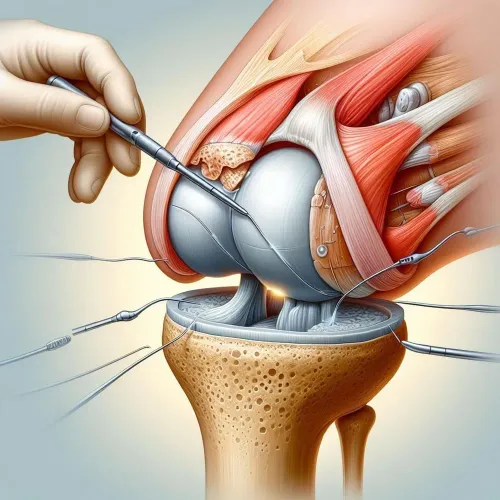
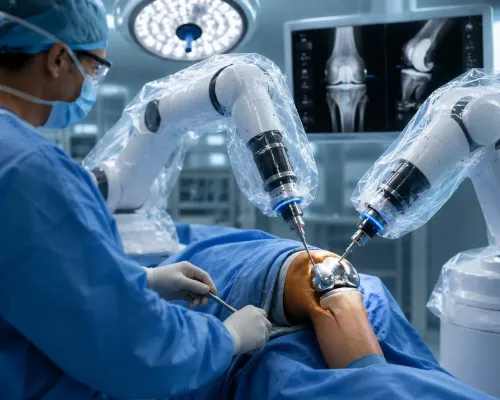
A ligament injury can affect joint stability, limit movement, and interfere with work, sports, or daily activities. While many ligament injuries improve with rest and physiotherapy, some require surgical intervention to restore normal joint function. Arthroscopic Ligament Repair is a minimally invasive technique that allows surgeons to repair or reconstruct damaged ligaments with greater precision.
For individuals in PCMC, knowing when surgery becomes necessary is an important part of making informed treatment decisions.
Can Every Ligament Injury Heal Without Surgery?
Not all ligament injuries require an operation.
Minor sprains and partial tears often improve with:
- Rest
- Ice application
- Compression
- Elevation
- Physiotherapy
- Bracing
However, complete tears or injuries causing persistent instability may not heal adequately without surgical treatment.
Situations Where Surgery May Be Recommended
An orthopaedic surgeon may consider arthroscopic ligament repair when:
- The ligament is completely torn.
- The joint repeatedly gives way.
- Conservative treatment has failed.
- Daily activities remain difficult.
- Sports participation is significantly affected.
- Associated cartilage injuries are present.
The decision depends on clinical findings, imaging results, and patient expectations.
Benefits of Arthroscopic Repair
Compared with traditional open procedures, arthroscopic surgery offers several potential advantages:
- Smaller incisions
- Better visualization inside the joint
- Less soft tissue disruption
- Reduced post-operative discomfort
- Faster rehabilitation for suitable patients
- Smaller scars
These benefits have made arthroscopy a widely used approach for ligament injuries.
How Is the Diagnosis Confirmed?
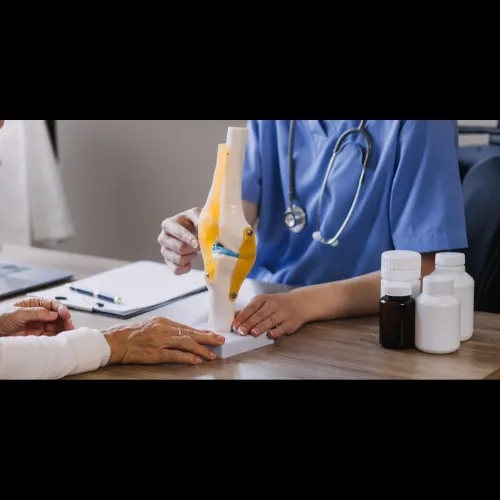
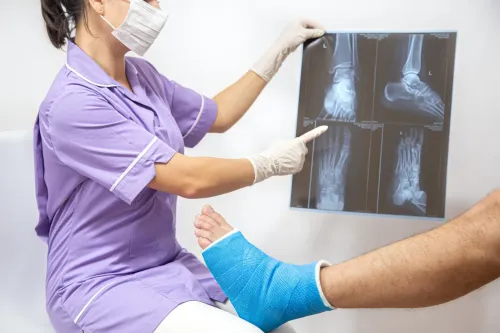
Before recommending surgery, the orthopaedic specialist performs a comprehensive evaluation.
This may include:
- Physical examination
- Joint stability tests
- X-rays
- MRI scans
- Functional assessment
Accurate diagnosis ensures that treatment matches the specific injury.
Preparing for Surgery
Preparation contributes to smoother recovery.
Patients may be advised to:
- Complete medical investigations.
- Discuss medications.
- Begin strengthening exercises before surgery.
- Arrange post-operative assistance.
- Understand the rehabilitation programme.
Good preparation improves confidence and supports recovery.
Recovery After Arthroscopic Ligament Repair
Recovery requires commitment to rehabilitation.
The process generally includes:
- Pain and swelling management
- Guided physiotherapy
- Progressive strengthening
- Balance training
- Functional exercises
- Gradual return to sports or work
The timeline varies according to the ligament involved and individual healing.
Questions to Ask Your Orthopaedic Surgeon
Patients considering surgery may wish to discuss:
- Is surgery necessary?
- What are the expected outcomes?
- How long will recovery take?
- When can normal activities resume?
- What rehabilitation is required?
- Are there non-surgical alternatives?
Clear communication helps patients understand the treatment journey.
Choosing the Right Orthopaedic Care
Ligament injuries require individualized treatment rather than a standard approach. Some patients recover successfully with rehabilitation alone, while others benefit from surgical reconstruction.
Individuals seeking evaluation for ligament injuries in PCMC may consult Ayush Orthopaedic Clinic, where treatment recommendations are based on careful examination, imaging findings, and personal activity goals. The emphasis is on selecting the most appropriate treatment option for each patient rather than recommending surgery routinely.
Arthroscopic ligament repair has become an important advancement in modern orthopaedics, offering a minimally invasive option for suitable patients while supporting improved joint stability, function, and long-term recovery.
Keywords